
The Short Version on Frozen Pipes
Here is how to prevent frozen pipes in a Kittitas County winter: find the lines near the cold, protect them before a hard freeze, and know your shut-off.
The nights are already cold, and you want to know which pipes in your house are at risk. You also want to know what to do about it without turning it into a weekend project.
The short answer is simple. The pipes that freeze are the ones closest to the cold. Most protection is cheap and quick. And knowing where your main water shut-off is matters more than anything else on this list.
Why Frozen Pipes Happen in Kittitas County Homes
Frozen pipes start when water freezes inside a line. The ice stops the flow and puts pressure on the pipe, and that pressure is how pipes split.
It happens in the same places every year:
- Lines in crawl spaces and unheated garages
- Pipes in attics and along outside walls
- Hose bibs, the outside faucets, with a garden hose still connected
Ellensburg winters get cold enough to matter. NOAA's climate normals, the official 30-year averages for 1991 to 2020, put the average low at Ellensburg's Bowers Field near 24 F in December and January. The coldest nights run well below that.
The houses it catches are familiar ones. Older homes with crawl spaces. Rentals sitting empty between tenants. Second homes up the valley in Cle Elum, Roslyn and Easton, left for weeks with the heat turned down.
Tools and Materials
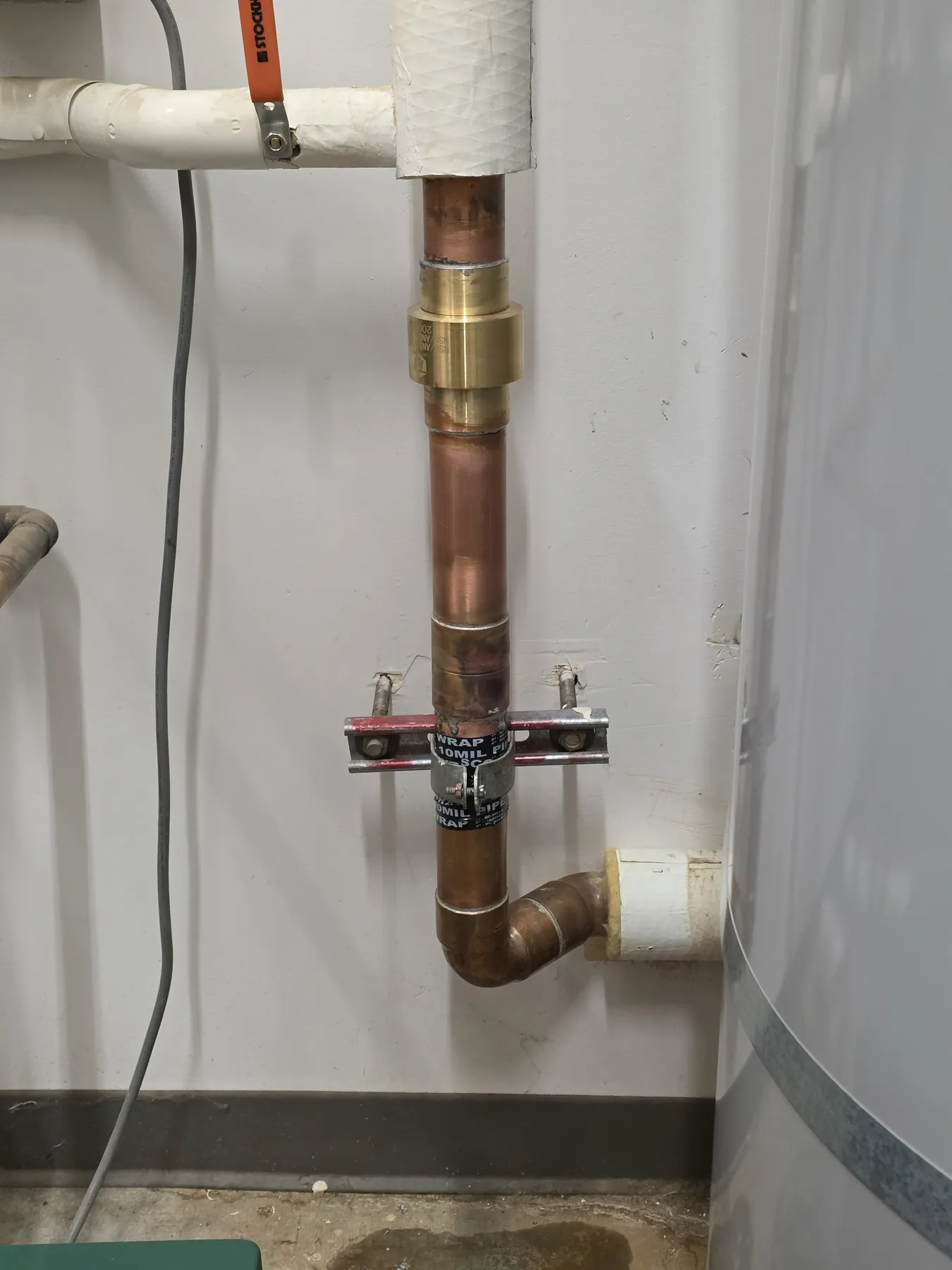
- Foam pipe insulation sleeves sized to your pipes
- Insulated covers for outside faucets (hose bibs)
- A flashlight for the crawl space and garage
- Tape or zip ties to hold insulation in place
- A tag or marker for the main water shut-off
How to Prevent Frozen Pipes, Step by Step
- Find and test your main water shut-off. Know where it is, make sure it turns, and tag it so anyone in the house can find it. If a pipe ever splits, shutting this valve off first is what limits the water. If the valve is stuck or seized, have it replaced before winter.
- Disconnect garden hoses and drain outside faucets. A hose left on the spigot traps water in the faucet and the pipe behind it. Remove and drain the hose. If the house has an inside valve for that faucet, close it, then open the outside faucet so the line can drain. Add an insulated cover.
- Insulate exposed pipes in the crawl space, garage and attic. Put foam sleeves on any supply line you can see in an unheated space, snug at the joints and elbows. Insulate both hot and cold lines there. Lines on outside walls and above a crawl space are the usual suspects. Not sure where yours run? A whole-home plumbing inspection finds them. Insulation is the lasting fix.
- Close up the cold air. In a hard freeze, close crawl space vents and keep garage doors shut when water lines run through the garage. Look for gaps where cold air reaches pipes, like a missing crawl space door or an open foundation vent.
- Use cold-snap habits on the coldest nights. Keep the thermostat at the same setting day and night. Open sink cabinet doors on outside walls so house heat reaches the pipes, and move cleaners out of reach of kids. Let a faucet fed by an at-risk line run at a slow drip.
- Protect a house you leave empty. Keep the heat on in an empty house, and do not turn it off for a trip or between tenants. The Red Cross says to set it no lower than 55 F while you are away. For a second home or a long absence, have someone check the house, or have the water shut off and the lines drained.
Signs It Is Time to Call a Plumber
A fixture that gives little or no water in cold weather often means a frozen line. That is especially true on an outside wall or above a crawl space.
Here is how to thaw frozen pipes you can reach: keep the faucet open and warm the pipe with a hair dryer or an electric heating pad. Never use a torch or any open flame. If you cannot find the frozen spot, cannot reach it, or it will not thaw, call a licensed plumber.
If a pipe has already burst, shut off the main water valve first. Then contact us during office hours, Monday to Friday, 8 AM to 4:30 PM. Our frozen pipe repair and winter protection work covers it: we thaw frozen pipes safely, repair frozen and burst lines, and insulate exposed plumbing in crawl spaces, garages and attics.
FAQs About Frozen Pipes
When should I winterize my plumbing in Ellensburg?
Late fall, before the first hard freeze, is when insulating pipes and checking exposed plumbing does the most good. If the cold has already arrived, it is still worth doing. Start with hose bibs and the crawl space, since those lines freeze first.
Should I leave faucets dripping overnight?
In a hard freeze, yes, but only on faucets fed by at-risk lines, like a sink on an outside wall. Moving water is slower to freeze. A drip is a stopgap for a cold night, and insulating the line is the lasting fix.
Can a frozen pipe thaw on its own without bursting?
Sometimes. A pipe can freeze and thaw without splitting, but a crack often shows up only once the water flows again. After a thaw, look along the line and under sinks for drips or damp spots. If you see water, shut off the main and call.
Do you winterize rentals and second homes?
Yes. Excel Plumbing works on homes, rentals and second homes across Kittitas County. For a house that will sit empty, we insulate exposed lines and check the plumbing before the cold. Our rental property plumbing work keeps units ready between tenants.
Get Your Pipes Ready for Winter
A little work now buys a quiet winter with water at every tap. Excel Plumbing is family-owned since 1994, and licensed, bonded and insured in Washington. Same-day service is the aim during business hours. Our minimum is $175 per hour plus materials, explained upfront. Request a visit, and we will check the lines that matter in Ellensburg, Cle Elum, Roslyn, Selah, Easton, Vantage, Mattawa and the rest of Kittitas County.